

The operators who get through Q3 well, staying busy through August without burning out their team or their margins, almost always planned in June. Not in broad strokes, but specifically: menus locked, ad budgets set, content calendar mapped, staffing decisions made.
This guide covers everything that needs to be decided before July starts so you're running a plan instead of improvising one.
- What Makes Q3 Different From Every Other Quarter
Q3 is the only quarter where demand is high, staff turnover is also high, and the pressure to coast is at its peak. Business is good. It's easy to assume that will continue without doing much to support it.
It usually does continue through July. The drop tends to come in August, and operators who didn't plan are caught off guard by it. The guests who drove June and early July traffic were often tourists or families on summer schedules. When school starts creeping back into view in mid-August, that traffic shifts.
The restaurants and hotels that hold their August numbers are the ones that planned for it in June, not the ones that noticed the drop when it arrived.
- Menu Decisions to Make Before July
A summer menu that launches in late July has missed six weeks of the season it was designed for. If you're planning a seasonal menu change, the target is early July at the latest, which means the decisions need to be made and the testing needs to happen in June.
Questions to answer before July:
- What's coming off the menu and what's replacing it?
- Which items will be promoted as seasonal features versus permanent changes?
- Are there high-margin items you want to feature more prominently?
- Does the current menu description copy need refreshing?
Every menu change is also a marketing moment. A new summer menu is an email, a social post, a Google Business Profile update, and a reason for past guests to come back. Build the marketing into the launch plan before the menu is finalized.
- Staffing and Operational Decisions
The marketing decisions you make for Q3 need to be calibrated to what your operation can actually deliver. There's no point driving increased traffic if the service can't support it.
Before July, be honest about a few things:
- What's your realistic capacity during peak weekend service right now?
- Are there staffing gaps that need to be filled before volume increases?
- Which roles are most likely to turn over during summer and do you have a plan for them?
- What's your plan for the slowdown that typically hits between school starting and fall demand picking up?
Operators who answer these questions in June make better marketing decisions. Operators who wait until July end up promoting into a system that can't handle what they're driving.
- Your Advertising Budget for July and August
Summer advertising in hospitality has a specific logic. July, especially around the Fourth of July, tends to drive itself. Organic search traffic is high, word of mouth is active, and paid advertising often has a lower return than it does in slower months.
August is different. Traffic softens, competition for the remaining summer demand increases, and the operators who maintained their advertising presence through the soft stretch are better positioned than the ones who paused in July and tried to ramp back up in August.
Our general recommendation for Q3:
- Reduce paid spend slightly in peak July weeks and let organic traffic do the work
- Hold spend steady through the first two weeks of August
- Increase spend in the back half of August to capture back-to-school and early fall traffic
This approach runs counter to the instinct to spend more when you're busiest. But the return on ad spend is almost always better in the softer weeks than the peak ones.
- Your Content Calendar for the Quarter
Summer content has a different character than spring content. The urgency of Mother's Day and Father's Day is gone. What replaces it is presence: showing up regularly with content that keeps your restaurant or hotel in the back of people's minds until they have a reason to come in.
Map your content for Q3 around a few anchors:
- Fourth of July: if you're open, post it. If you're doing something special, promote it two weeks out.
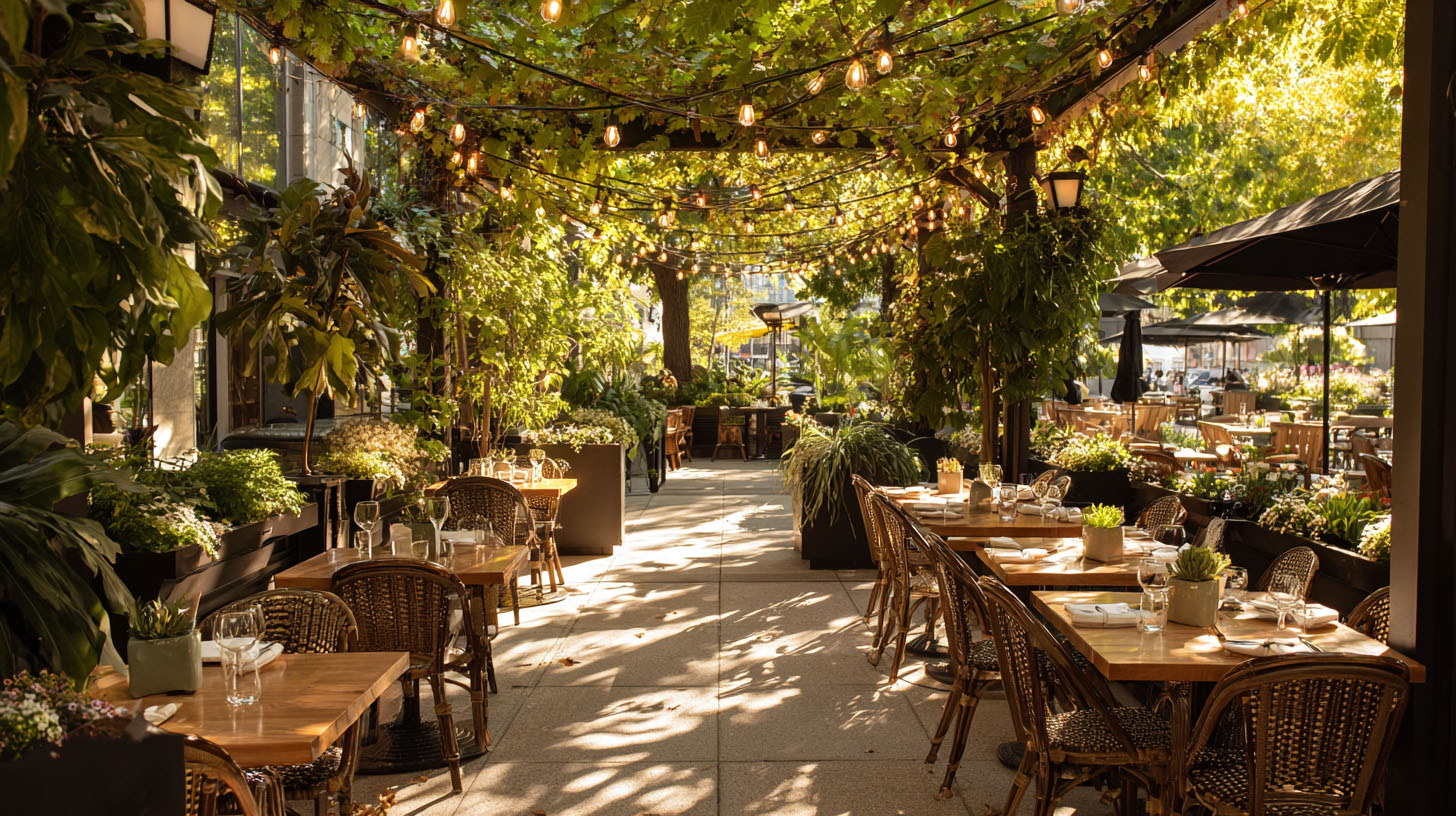
- Midsummer: this is your best window for user-generated content. Patios are full, food looks beautiful, guests are in a good mood. Capture as much as you can.
- Late August: start teasing fall. A mention of a fall menu in development, a hint at upcoming events, a note about the change of seasons. This is what keeps August from feeling like an ending.
Three to four posts per week on your strongest platform, done consistently, is more valuable than daily posts that lack energy or purpose.
- Your Email Program for the Quarter
Email is the most underused channel in summer marketing for one simple reason: operators assume they don't need it when they're busy. That assumption costs them in September.
The guests who receive regular emails from you throughout July and August, even simple ones, are the ones most likely to come back in the fall when you need them. The ones who hear nothing from you all summer have no particular reason to think of you when summer ends.
A simple Q3 email calendar:
- Early July: summer menu launch or update
- Mid-July: a behind-the-scenes moment, a staff feature, or a guest story
- Early August: something worth coming back for, an event, a new dish, a limited special
- Late August: a note about what's coming in fall, with a soft invitation to stay connected
Four emails across three months. That's the minimum to maintain presence without overwhelming your audience.
- Google Business Profile: What to Update Before July
Your Google Business Profile is often the first thing a potential guest sees when they search for you. Keeping it current through peak season directly affects how often you show up in local search results.
Before July, check and update:
- Hours, including any holiday variations for July 4th and Labor Day weekend
- Photos, specifically your most recent patio, dining room, and food shots
- Your menu link, to make sure it goes to your current menu and not a version from last season
- Posts, at minimum one new post per week during peak season
Google rewards active profiles with better visibility. The operators who update their profile throughout summer get more organic traffic from local search without spending anything on ads.
- The Transition Into Fall: Plan It Now
The most common Q3 planning mistake is treating fall as a Q4 problem. By the time October arrives, the guests who would have been your early fall regulars have already established their habits somewhere else. The restaurants that capture fall traffic started communicating about it in August.
That doesn't mean running fall promotions in the middle of summer. It means having a plan for the transition: when does the fall menu launch, what's the first fall campaign, what event or promotion kicks off the season?
Operators who answer these questions in June have a campaign ready to go in August. Operators who answer them in September are reacting to a slow period instead of preventing one.
- Ready to Build Your Q3 Plan?
If you want to walk into Q3 with a real plan instead of good intentions, book a call in June. We’ll map it out together.
June spots are limited. Here’s the link.