

There’s something magic about fall menus — the colors, the comfort, the smell of cinnamon in the air. But the real magic happens when your marketing captures that feeling and turns it into business.
Whether you run a neighborhood restaurant, boutique hotel, or café inside a historic inn, seasonal storytelling helps you stay top of mind when people are deciding where to eat, stay, or celebrate. Here’s how to turn that seasonal energy into more traffic and bookings.
Make Seasonal Visuals the Star
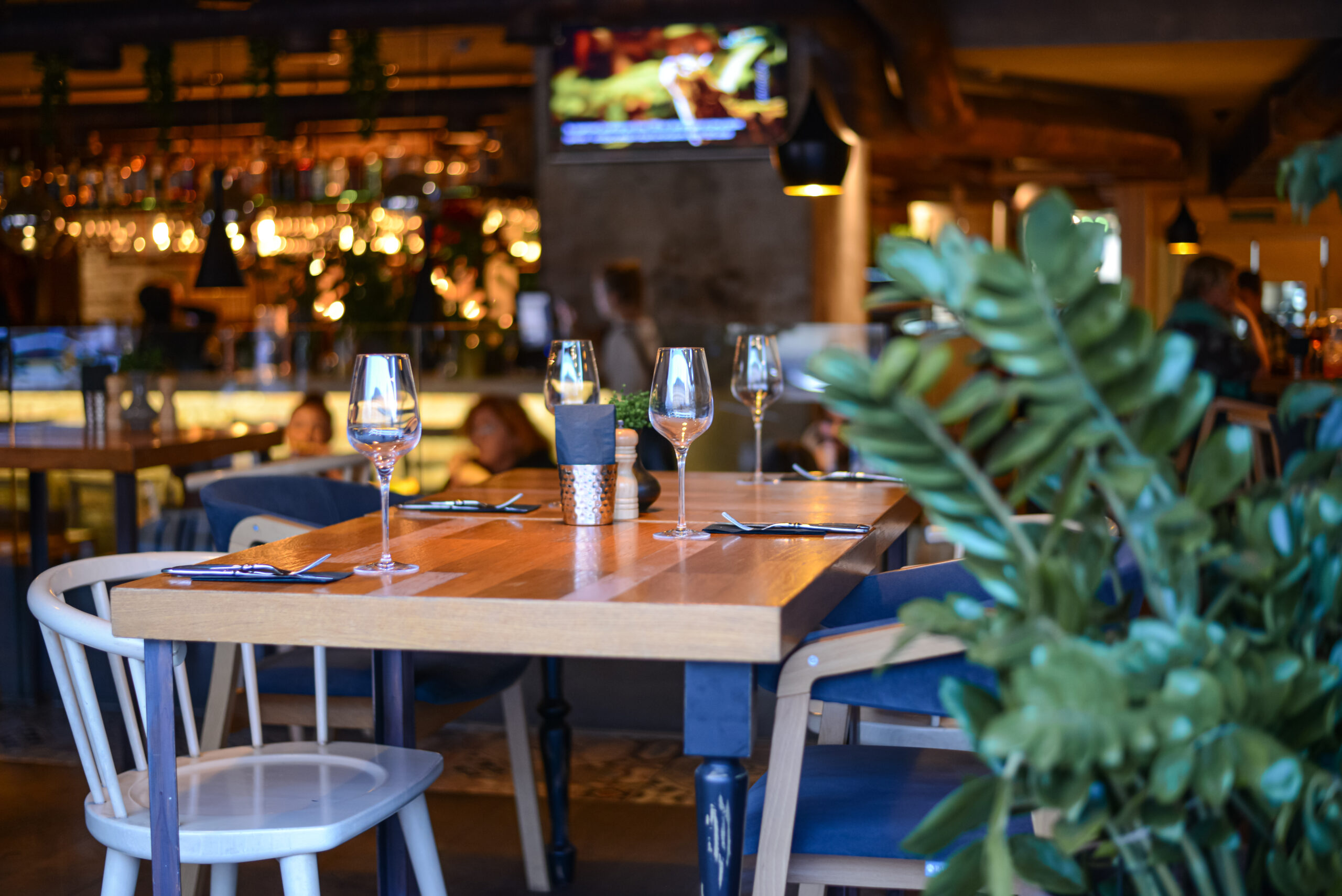
People feel fall before they plan for it. Use rich, natural colors and close-ups that evoke warmth — caramel tones, flickering candles, fresh herbs, and autumn light through your windows.
Take one morning this week to refresh your website and Google Business Profile photos. Google’s data shows listings with updated images get up to 35 percent more clicks.
Pro tip: skip filters. Natural lighting and real textures perform best because guests want to imagine themselves there.
Create a Limited-Time Menu That Tells a Story
Pumpkin, sage, pear, bourbon — these aren’t clichés; they’re triggers. A small seasonal insert or tasting flight can give guests a reason to return. The secret isn’t adding random fall flavors; it’s naming and describing them in ways that connect emotionally.
For example:
- “Harvest Ravioli” sounds warm and seasonal.
- “Butternut Sage Ravioli with Brown Butter and Toasted Pecans” paints a picture.
According to Nation’s Restaurant News, items with local or seasonal language sell 20 percent faster. Keep it descriptive, short, and easy for staff to promote.
Sync Your Marketing Channels Around One Theme
When you post a new dish on Instagram, update your online menu and email footer to match. When you send a newsletter, make sure the same image appears on your Google listing and website homepage.
Consistency is what builds recognition — and recognition drives bookings. Think of it as creating a seasonal campaign rather than isolated posts.
Try one theme per month:
- October: cozy cocktails and comfort food
- November: gratitude and gatherings
- December: indulgence and celebration
The same visuals and tone across platforms make your brand feel intentional and professional.
Run Short, Friendly Email Campaigns
Your guests don’t need long reads — they need reminders.
Send a quick email with one photo, a short sentence, and a call to action like “Reserve your table for Friendsgiving weekend.”
HubSpot found hospitality businesses earn an average of $36 for every $1 spent on email. The trick is tone: write like you talk.
Use your name, not “info@,” and sign off personally. One honest sentence (“We’re grateful for everyone who’s dined with us this year”) builds more loyalty than a dozen coupons.
Build Anticipation With Social “Mini-Moments”
Instead of one big fall campaign, try several small ones. Post a short clip of your chef taste-testing a new recipe or your bartender experimenting with cinnamon syrup. Stories and Reels outperform static posts because people connect with process. Restaurant Business Online reports that behind-the-scenes content earns twice the engagement of polished ads.
Use captions that sound spontaneous: “Testing something cozy for next weekend… any guesses?”
You’ll spark comments and create momentum for your next event or menu drop.
Refresh Your Local SEO for Seasonal Searches
Fall also means travel, weddings, and family gatherings — all high-intent search traffic. Add short seasonal lines to your website’s meta descriptions or homepage, like: “Cozy downtown restaurant for fall dinners and holiday gatherings.”
On your Google Profile, post weekly with phrases such as “Thanksgiving catering,” “fall cocktail specials,” or “holiday weekend reservations.”
Think With Google reports a surge in “near me” and seasonal searches starting mid-October. A few extra words can push your listing ahead of less-active competitors.
Use Staff Stories as Seasonal Content
Fall is about comfort and connection — show yours. Share a quick story about your pastry chef’s favorite pie or your manager’s go-to fall playlist. It humanizes your brand and helps your team feel proud of their role in the story. Guests remember faces more than ads. A short caption plus a candid phone photo can outperform a staged shoot if it feels genuine. The goal is to make people think: “I like those people. Let’s go there.”
Keep Promotions Tight and Time-Bound
A limited window adds urgency. Run a 10-day “Harvest Tasting Menu” or a “Two Weeks of Warm Drinks” feature. Mention end dates in every post so guests feel the gentle pressure to book now. Adobe Analytics shows campaigns with clear time limits convert 30 percent faster. Urgency doesn’t mean gimmicks — it just means clarity. You’re saying, “This special is here now, not forever.”
Measure What Works and Build on It
After the season, look at what actually moved the needle: which posts got bookings, which dishes sold fastest, which emails got replies. Save what worked and reuse the framework next year. That’s how your seasonal marketing compounds — through learning, not guessing. Even a quick spreadsheet tracking “promotion + result” will help you identify your brand’s natural rhythms.
Don’t Forget Gratitude
As the holidays approach, end your campaigns with appreciation. Post a thank-you note or short video from your team. Harvard Business Review found public gratitude deepens loyalty both inside and outside the company. It’s simple, genuine, and lasting — exactly what hospitality is about.
Seasonal marketing isn’t about chasing trends; it’s about showing up in rhythm with your guests’ lives.
If you keep your visuals warm, your tone personal, and your timing consistent, you’ll stay top of mind all season long — and build habits that keep working year-round. Want help planning your next seasonal campaign? Email us to brainstorm ideas, strategy, or design support that fits your brand.