

Guests don't search for "chicken parm" or "queen bed with two nightstands." They search for a feeling. A reason to choose you over the place down the street. The operators who understand this fill seats and rooms on word of mouth alone. The ones who don't keep wondering why their great food and clean rooms aren't enough.
Here's how to shift from describing what you have to selling what it feels like to be there.
- What Selling the Experience Actually Means
Selling the experience doesn't mean being vague or overly poetic. It means leading with the feeling your guests are actually buying.
Think about what a guest is actually buying when they book a table at a quiet bistro. They’re not buying a chair and some food. They’re buying two hours away from work, from their phone, from whatever is pulling at them. A room with a fireplace isn’t a checkbox on an amenity list. It’s the slow morning someone has been looking forward to all week. Guests aren’t buying the seat or the fireplace. They’re buying the feeling those things create.
The difference is simple: a description tells someone what something is. A story tells them what it will feel like to be there. When your marketing answers "what will this feel like for me," people book. When it only answers "what is this," they keep scrolling.
- The Photo Problem Most Operators Have
Most restaurant and hotel photos are technically fine and emotionally empty. A dish centered on a white plate against a white background. A bed made perfectly in an empty room. These images show what you have. They don't make anyone feel anything.
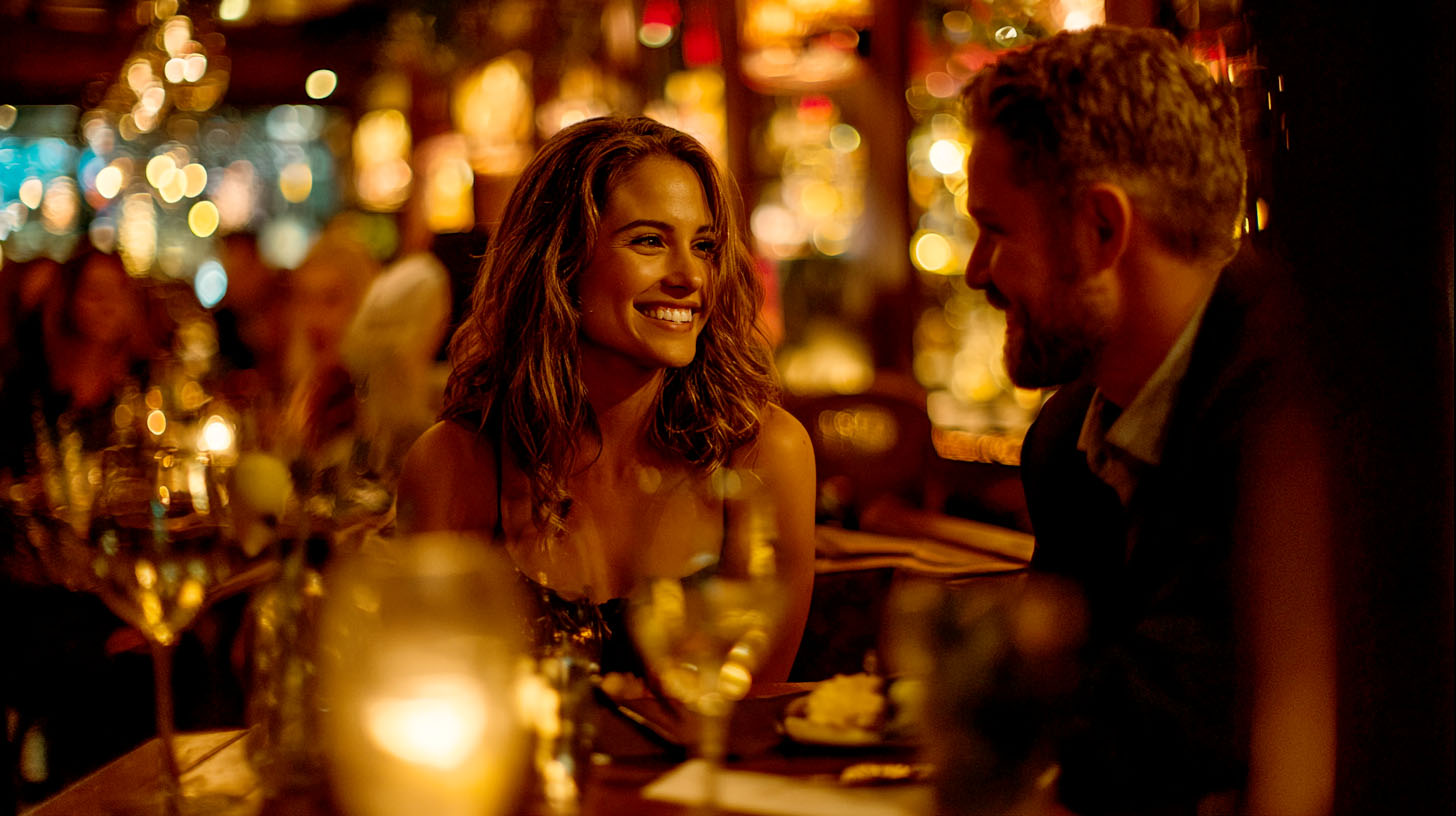
The photos that convert show life happening. A table of people mid-laugh. A server pouring wine in a candlelit room. A guest reading on a patio in the morning light. Those images put the viewer inside the experience, and that's when the decision happens.
If your current photos look like a catalog, that's the single fastest thing to fix. You don't need a full shoot. You need a few intentional moments captured during a real service.
- What Your Website Is Really Communicating
Before a guest calls or books, they spend time on your website deciding whether they trust you. They're not just looking for your hours or menu. They're asking: is this the kind of place I want to be?
Your homepage copy, your photo choices, and even the words you use to describe your space all answer that question. "Cozy neighborhood spot known for handmade pasta" tells a very different story than "an Italian restaurant serving authentic cuisine."
Read your site out loud. If it sounds like it could belong to any restaurant or hotel in any city, it's not doing enough work. Specificity is what earns trust, and trust is what earns the booking.
- Social Media: Moments Over Menus
The temptation on social media is to post what's on the menu this week. That content is useful, but it rarely creates the emotional pull that turns a follower into a guest.
Behind-the-scenes moments, staff personalities, and real guest experiences do that instead. A short video of your chef finishing a dish during service. A photo of a table covered in shared plates. A guest's reaction at the first bite. These are the posts people share, save, and come back to.
According to Sprout Social, posts featuring people outperform product-only posts by more than 30% in engagement. Real moments outperform polished promotion almost every time. And they cost nothing but the habit of capturing them.
- The Language That Converts
Word choice shapes expectation, and expectation shapes experience. Consider the difference between these two descriptions of the same dish:
"Pan-seared salmon with seasonal vegetables and lemon butter."
"Our most-ordered dinner for a reason: Atlantic salmon seared to order, finished with a lemon butter that's been on the menu since we opened."
The second one gives the guest a reason to choose it and a story to tell. That's what converts browsers into diners and diners into regulars. You don't need to rewrite every item. Start with your highest-margin dishes and your signatures. Give those the language they deserve.
- What Guests Actually Remember
Guests don't go home and think about your food cost or your thread count. They remember how the meal felt. Whether they were taken care of. Whether the room was quiet in the morning. Whether the server remembered they'd been in before.
Your marketing should speak to those moments because those are the ones that get shared, reviewed, and returned to. If you're marketing the ingredients and your competitor is marketing the feeling, they'll win even if your product is better. That's not a hypothetical. It happens constantly.
- A Simple Audit to Do This Week
Pull up your website, your most recent social posts, and your Google Business Profile. For each one, ask a single question: does this make someone want to be here, or does it just describe what's here?
If the answer is the latter more than a few times, you have a clear starting point. Update one piece of copy, swap one photo, and write one post this week that leads with feeling instead of features. Small shifts compound quickly when they're consistent.
- Ready to Tell a Better Story?
If you want a second set of eyes on what your marketing is actually communicating, that’s what the call is for. We’ll pull up your site, your Google profile, your recent posts, and tell you what we see.